HOME / CASE STUDY / LOOPMAIL
FEATURED CASE STUDY
Halving Loopmail's time to first message.
Loopmail was losing one in three new users before they sent a message. We rebuilt onboarding for iOS and Android around one decision per screen, cutting setup from nine steps to three.
One in three new users left before sending a first message. Nine setup steps stood between them and the reason they installed the app.
READ THE PROCESSCLIENT
Loopmail, messaging app
ROLE
Product designer, onboarding
TIMELINE
8 weeks, audit to launch
DELIVERABLES
Onboarding flows, iOS and Android UI, experiment plan
The process
I started with a forensic audit of the whole funnel, screen by screen. Nine setup steps asked for everything up front — permissions, contacts, and profile details — before showing anyone the value.
We cut it to three by asking for permissions in context and showing the value first: see the inbox, then connect, then invite. Each screen now carries exactly one decision.
How setup got to three steps
Audit the funnel
Mapped all nine setup steps and measured where new users dropped off. Permissions asked up front were the biggest exit point.
Design one decision per screen
Rebuilt onboarding so each screen asks exactly one thing, shows the value first, and requests permissions only when they are needed.
Test and ship in slices
Tested each slice with new users on iOS and Android, then shipped step by step with an experiment plan behind every change.
Process gallery
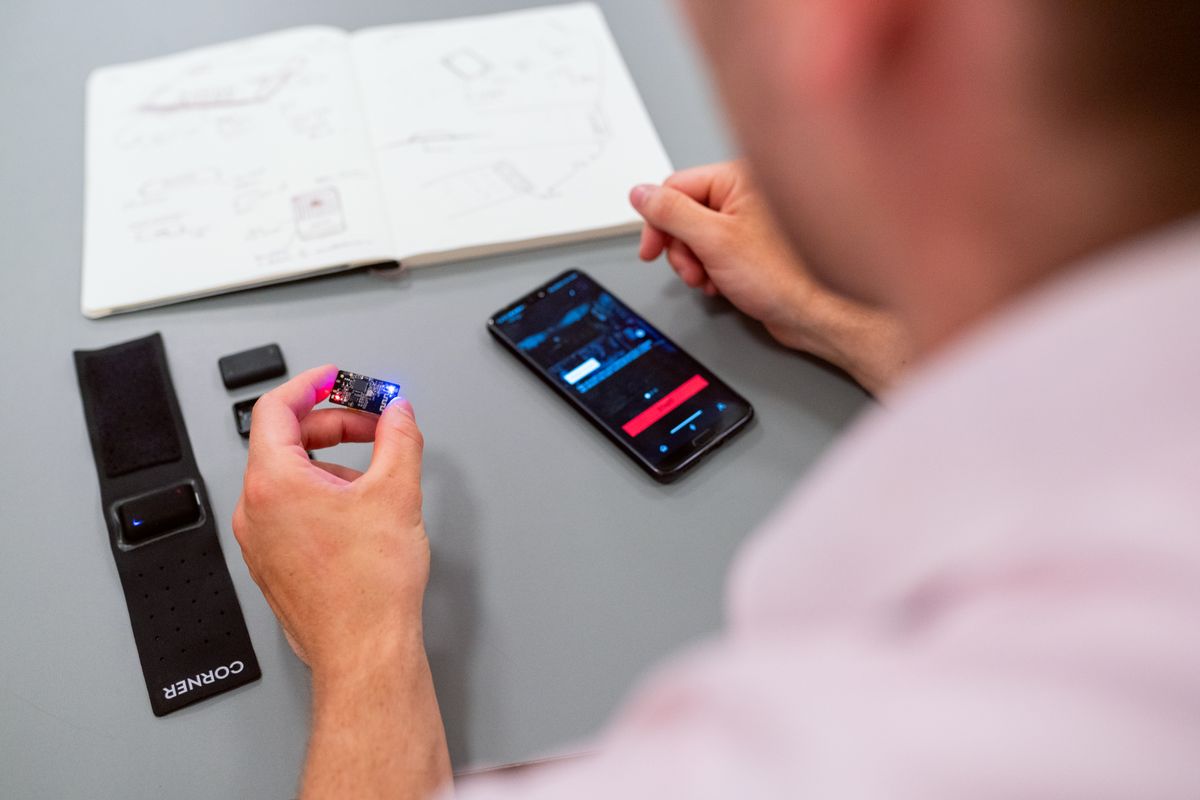
Funnel audits, prototype rounds, and the shorter flow taking shape.

“New users used to stall on step two. Now most of them send their first message on the day they install.”LOOPMAIL, HEAD OF PRODUCT